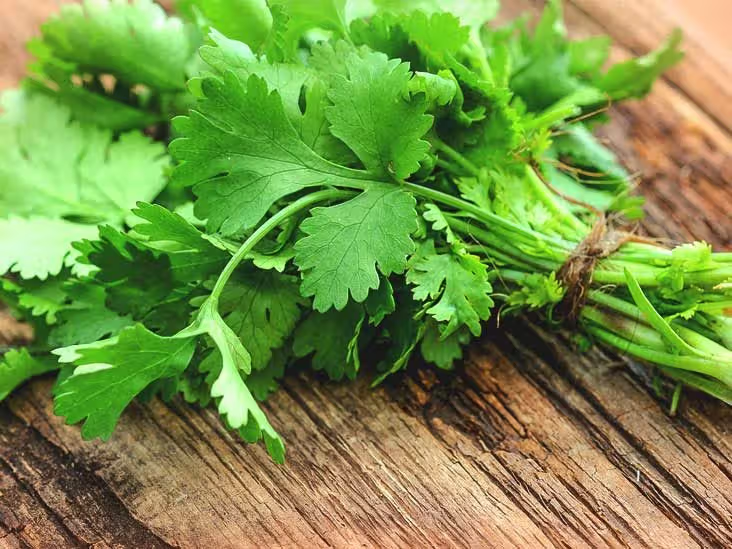
HEALTH BENEFITS OF CORRIENDER LEAF
We use Coriander-leaf as spice/herbs in daily foods. It makes food mainly fish or meat scented. Besides this, Coriander leaf has many health benefits.
We use this leaf for treatment of skin inflammation, high cholesterol levels, diarrhea, mouth ulcers, anemia, indigestion.
We also use this leaf for menstrual disorders, smallpox, conjunctivitis, skin disorders, and blood sugar disorders, eye care.
Its leaves and fruits have a recognizable and pleasant aroma. We use this leaves raw or dried for culinary applications.
Coriander Leaf has eleven components of essential oils
Six types of acids, minerals and vitamins, each having a number of beneficial properties.
We may mention some health benefits of corriender leaf as under:
Skin inflammation: Cineole, one of the 11 components of the essential oils, and linoleic acid, are both present in coriander, and they possess antirheumatic and antiarthritic properties. They help to reduce the swelling of body limbs. For other swelling conditions, such as swelling due to kidney malfunction or anemia. This leaf helps the induce urination and the release of excess water from the body. The reduction in skin inflammation can lead to increased functioning, a reduction in discomfort, and an improvement in skin appearance.
Skin disorders: The disinfectant, detoxifying, antiseptic, antifungal and antioxidant properties of coriander are ideal for clearing up skin disorders such as eczema, dryness and fungal infections.
Low cholesterol levels: Some of the acids present in coriander, like linoleic acid, oleic acid, palmitic acid, stearic acid and ascorbic acid (vitamin C) are very effective in reducing the cholesterol levels in the blood. They also reduce the level of bad cholesterol (LDL) deposition along the inner walls of the arteries and veins. It can lead to serious cardiovascular issues like artherosclerosis, heart attacks, and strokes. Coriander helps to raise the levels of healthy cholesterol (HDL). It works as a preventative line of defense against a number of dangerous conditions.
Diarrhea: Some of the components of essential oils found in coriander such as Borneol and Linalool. It aids in digestion, proper functioning of the liver and bonding of bowels, while also helping to reduce diarrhea. It helps in curing diarrhea caused by microbial and fungal action.
Coriander is also increasingly popular as a means of preventing nausea, vomiting, and other stomach disorders.
Fresh coriander leaves are excellent appetizers to get your bowels prepared for a large meal.
Blood pressure: Consuming coriander has been shown to positively reduce blood pressure in many patients suffering from hypertension. It relaxes blood vessel tension, thereby reducing the chances of a number of cardiovascular conditions, including heart attacks and strokes.
Mouth ulcers: Citronelol, a component of essential oils in coriander, is an excellent antiseptic. Additionally, other components have antimicrobial and healing effects which keep wounds and ulcers in the mouth from worsening. They help speed up the healing process of ulcers and also freshen breath. Although not in common use in mainstream products, coriander is often used as an antiseptic component of all-natural toothpastes. In fact, before the invention of toothpaste, people would chew on coriander seeds to reduce bad breath!
Anemia: It is high in iron content, which directly helps people who suffer from anemia. Low iron content in the blood can result in shortness of breath, heart palpitations, extreme fatigue. Iron also benefits proper functions of other organ systems, increases energy and strength, and promotes the health of bones.
Anti-allergic properties: Multiple studies have shown coriander to have strong anti-histamine properties that can reduce the uncomfortable affects of seasonal allergies and hay fever (rhinitis). Coriander oil reduce allergic reactions to contact with plants, insects, food, and other substances. It’s never a bad idea to protect yourself against allergic reactions, especially since it is difficult to know what you might be allergic to, until you come in contact with it for the first time!
Salmonella protection: Salmonella is one of the most dangerous causes of food borne illnesses in the world, so any natural way to protect against it is very important. Coriander has unusually high levels of dodecenal, a natural compound that is actually twice as powerful of an antibiotic than the leading treatment for salmonella-based illness. By adding coriander into your normal diet, you protect your body from horribly uncomfortable, and even fatal, illnesses relating to this deadly bacteria.
Bone health: As a rich source of calcium, coriander is of great value for people who want to protect the integrity of their bones. Calcium and other essential minerals found in coriander are integral components of bone regrowth and durability, as well as in the prevention of bone degradation so commonly associated with debilitating diseases like osteoporosis. Adding even a small amount of coriander to your diet can help to keep your bones healthy and strong for years to come. Calcium is particularly present in the center leaves of coriander, so aim for that part of the plant if bone health is your focus!
Please visit this site to learn more.